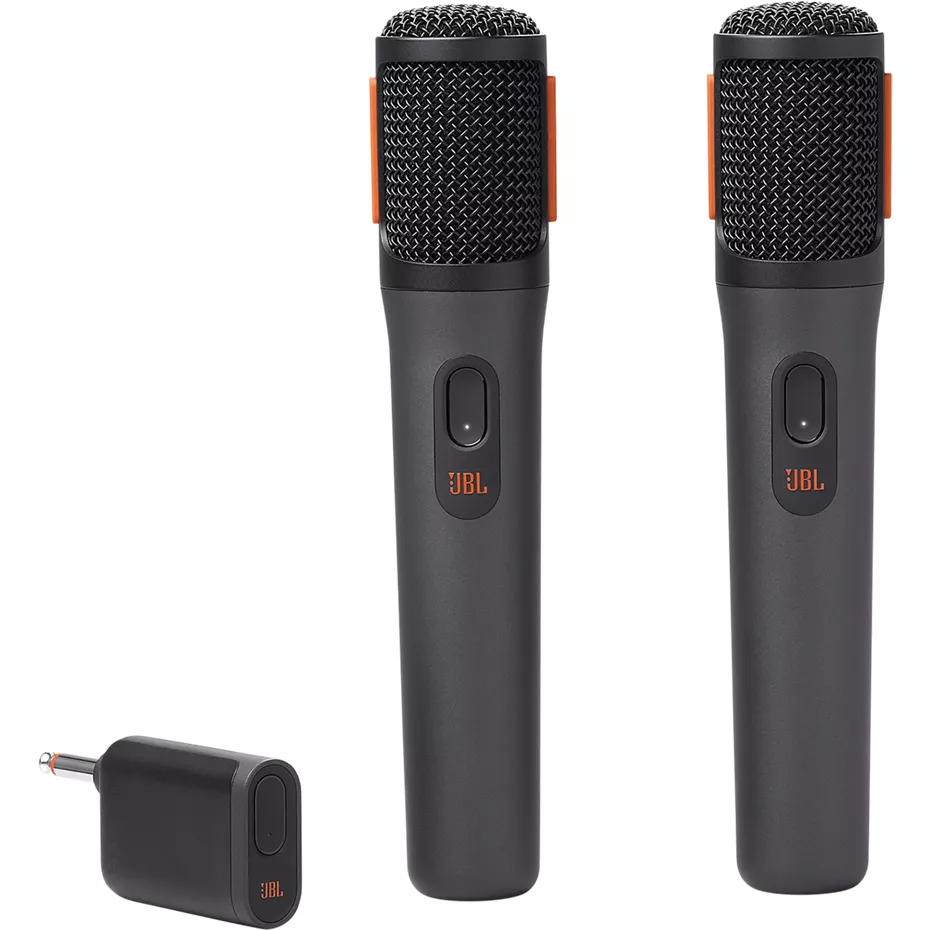
1. Define the use case
Write down who will use it, where it will be used, how often, and any limits such as size, compatibility, maintenance, or accessibility.
Our buyers guide provides practical advice on selecting the right instruments and accessories, comparing features, and understanding total ownership costs.
Last updated
Start with the job you need the product to do, then compare like with like. This checklist helps you avoid paying for features you will not use or overlooking the costs and policies that matter after checkout.
Write down who will use it, where it will be used, how often, and any limits such as size, compatibility, maintenance, or accessibility.
Check the same core specifications across shortlisted items. Treat optional features as trade-offs, not automatic reasons to spend more.
Look beyond the displayed price: include shipping, delivery, accessories, recurring costs, taxes, and likely replacement or maintenance needs.
Before buying, confirm delivery timing, return window, restocking or return-shipping fees, and what happens if the item arrives damaged or differs from its description.
Look for repeated, specific observations from relevant users. Do not rely on a star score alone; check review dates, context, and any disclosure of incentives.
Keep the product page, order confirmation, receipt, warranty, and seller messages. They make returns, support, and warranty claims easier to resolve.
Use a category to narrow the decision to products with a similar purpose. Counts reflect currently active catalog items and are provided as orientation, not an endorsement.
Use these live catalog examples as a starting point. Prices and availability change, so confirm the current details before you buy.
No current catalog examples are available in this range.
No current catalog examples are available in this range.
No current catalog examples are available in this range.
Start with the category, then compare products using the information that is actually present in the live catalog: price, seller, description, and the product's own specifications.
These are live catalog links to help you start comparing. Availability, price, shipping, and seller terms can change, so verify the current details on the product page before purchasing.
Assess your skill level, intended use, and budget to find gear that offers the best value. Compare specifications and read reviews.
Understanding maintenance, warranty, and upgrade paths ensures long‑term satisfaction with your purchase.